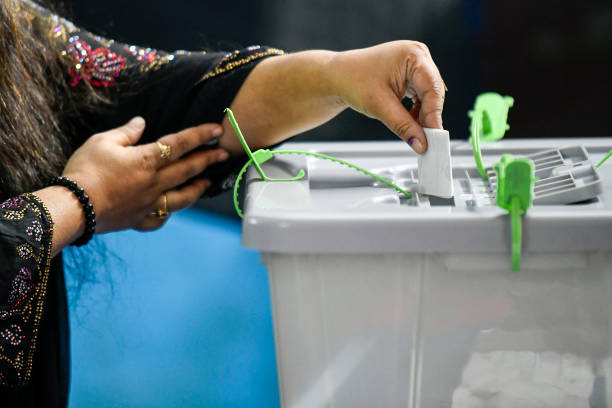
With 127 million voters set for the February 12 election, Al Jazeera analyses key numbers for Bangladesh’s crucial vote.
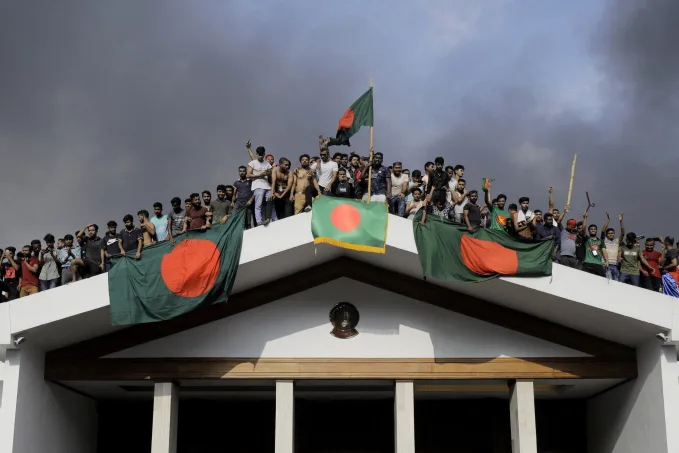
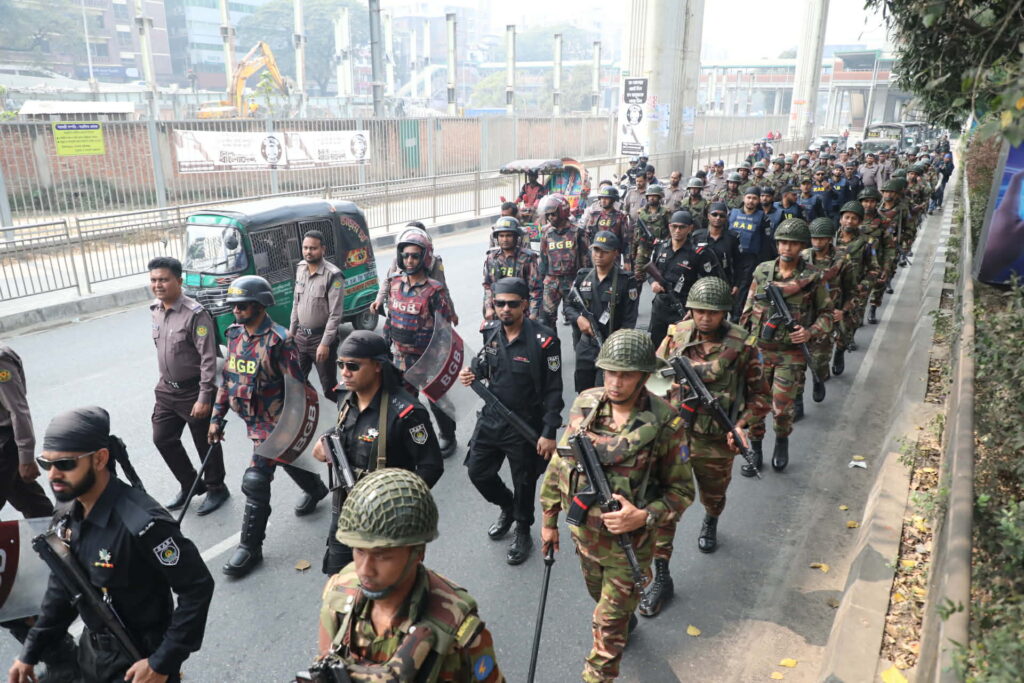
Bangladesh will head to the polls to elect its next government, 18 months after Prime Minister Sheikh Hasina was ousted from office by a student-led movement.
porters and rebuild its strength as it seeks to return to power in the February 12 general election.
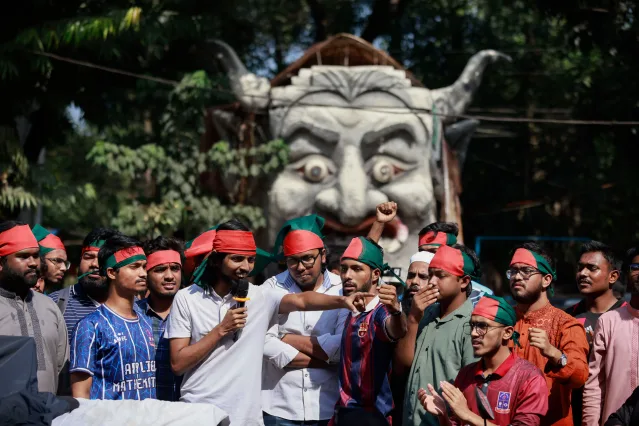
Hasina’s Awami League party was banned from politics last year by the interim administration of Nobel laureate Muhammad Yunus, leaving the BNP a frontrunner in Thursday’s vote. Its main rival is Jamaat-e-Islami (also known as Jamaat), a resurgent Islamist party, which has allied with the National Citizen Party (NCP), formed by former student leaders of the 2024 uprising that toppled Hasina.
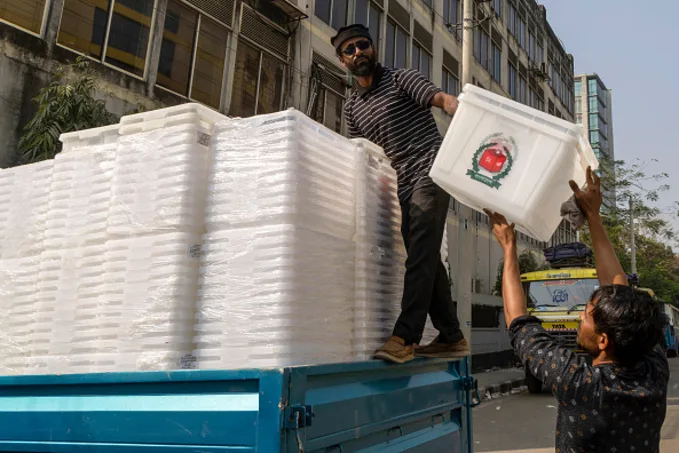
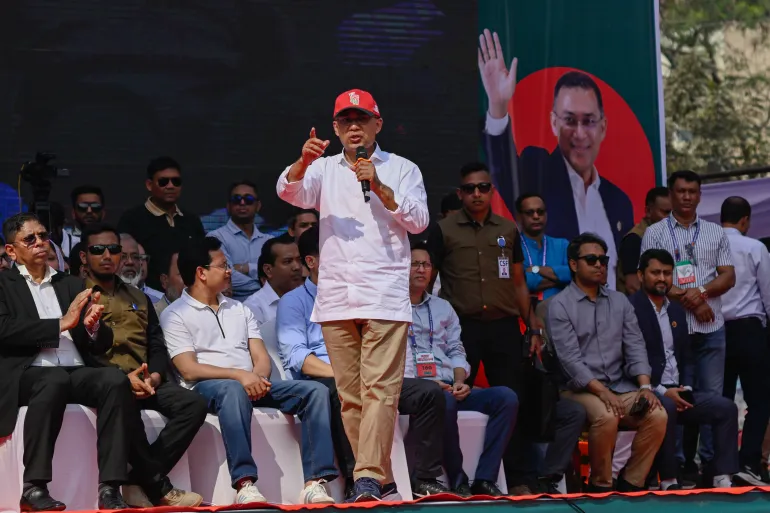
Since returning to Bangladesh on December 25 after nearly 17 years of exile in the United Kingdom, Rahman, 60, has been at the centre of the BNP’s election campaign, which ended on Tuesday. His rallies drew large crowds, with his presence reassuring supporters of the party’s revival after the arrests, internal splits, and its distance from voters during Hasina’s government.
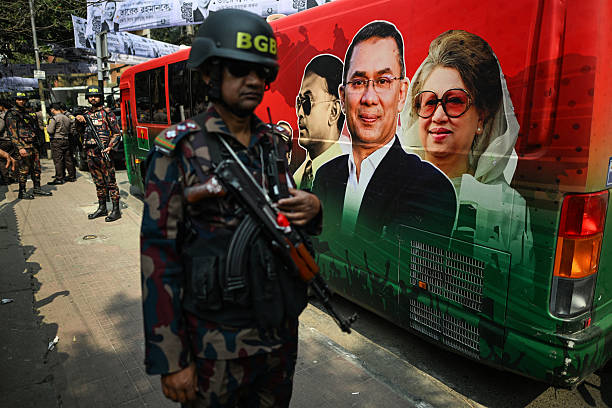
Hasina, the daughter of Sheikh Mujibur Rahman, the leader of the country’s independence movement, ruled Bangladesh between 1996 and 2001 and again from 2009 until she had to flee from office in August 2024 – after ordering a brutal crackdown on protesters which killed an estimated 1,400 people – and seek exile in India.People have begun leaving Dhaka and surrounding industrial hubs for their village homes since last night, triggering heavy pressure on roads, railways and waterways ahead of the February 12 national election.
Election rush grips highways as thousands leave Dhaka to vote
Workers head home as factories shut and holiday begins ahead of
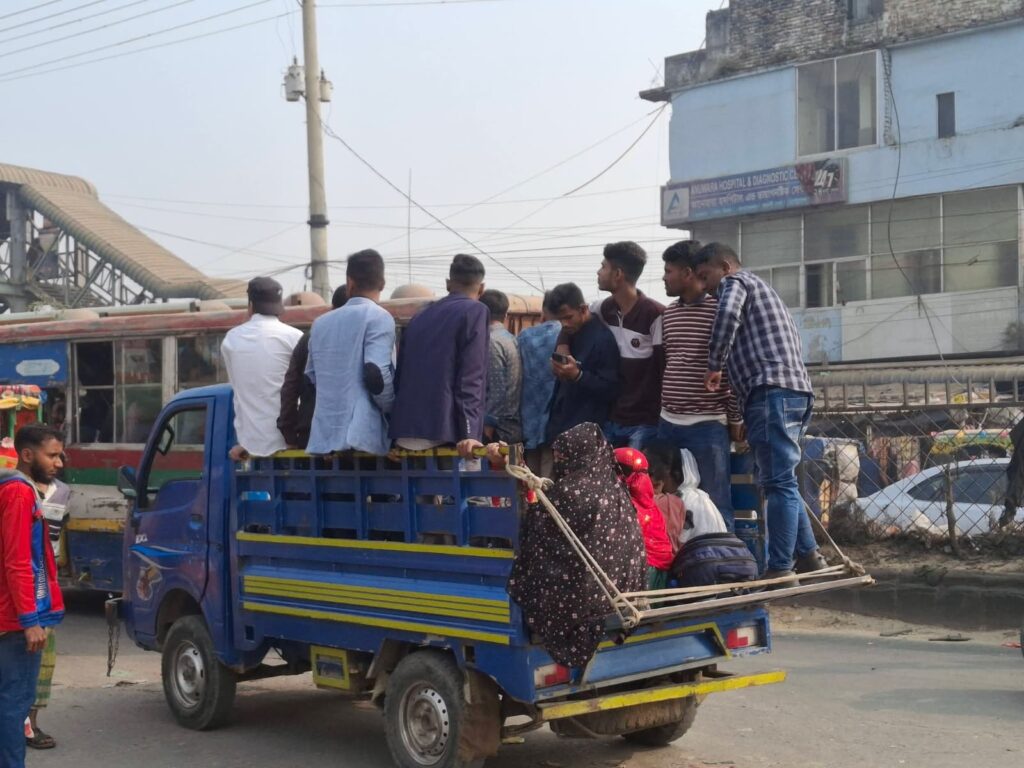
People have begun leaving Dhaka and surrounding industrial hubs for their village homes since last night, triggering heavy pressure on roads, railways and waterways ahead of the February 12 national election.
Bus terminals and railway stations across the capital were crowded with homebound passengers, many travelling to cast their votes and spend time with family during the extended holiday.
Google News LinkFor all latest news, follow The Daily Star’s Google News channel.
“We are going to our village home in Rajbari to stay with my parents and to vote,” said Akram Hossain, a garment worker, speaking to The Daily Star at Gabtoli bus terminal this morning.
The exodus intensified as thousands of garment workers from Gazipur’s industrial zones started leaving early today after factories shut in line with a government directive to facilitate voting in the 13th National Parliament election and the referendum.
Industrial units in Gazipur, Tongi, Chowrasta, Konabari and Sreepur were closed, prompting long queues at bus stands along the Dhaka–Mymensingh, Dhaka–Kishoreganj and Dhaka–Tangail highways. Men and women were seen standing in lines for hours amid severe congestion, .
Translate This Article