Taking to his X handle, the minister said, “Considering his [Imran] health, it has been decided to shift him [PTI founder] to the hospital and form a medical board.”
He said the Pakistan Muslim League-Nawaz (PML-N)-led government prioritises humanitarianism and legal requirements, adding that it is the government’s responsibility to provide facilities to every prisoner as per the law.
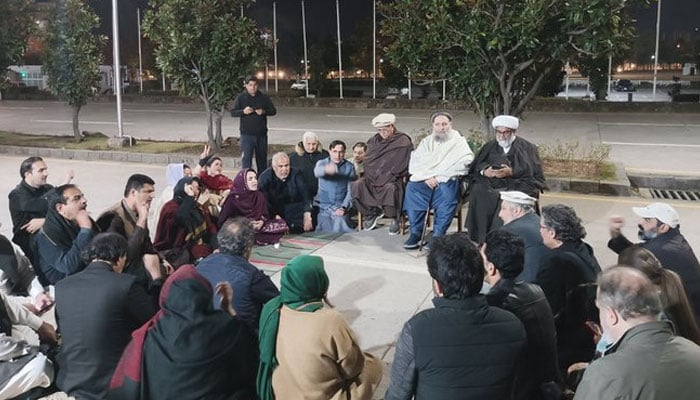
As the opposition sits in Parliament House, Imran is taken to the hospital. The government tells the PTI to refrain from “baseless propaganda” and says a medical board should be established to treat Imran.
The legal space appeared constricted, the political climate unforgiving and the prospect of immediate relief distant. Even among the most committed supporters, there was an air of grim endurance, a sense that this would be a long and grinding wait.
Then came the seven-page report detailing the PTI founder’s prison conditions. Clinical in tone yet politically combustible in implication, it shifted the mood almost overnight. The legal and political struggle suddenly entered the realm of health and humanitarian concern.
The partial loss of eyesight struck a chord that extended beyond party lines.
The discourse changed. No longer confined to courtroom technicalities or electoral grievances, the conversation moved into questions of moral responsibility and medical urgency.
Within hours, PTI’s rank and file appeared re-energised. Social media buzzed with concern, with several former cricketers publicly seeking relief for Khan. What once seemed implausible – the possibility of relief — began to look less like wishful thinking.
Translate This Article