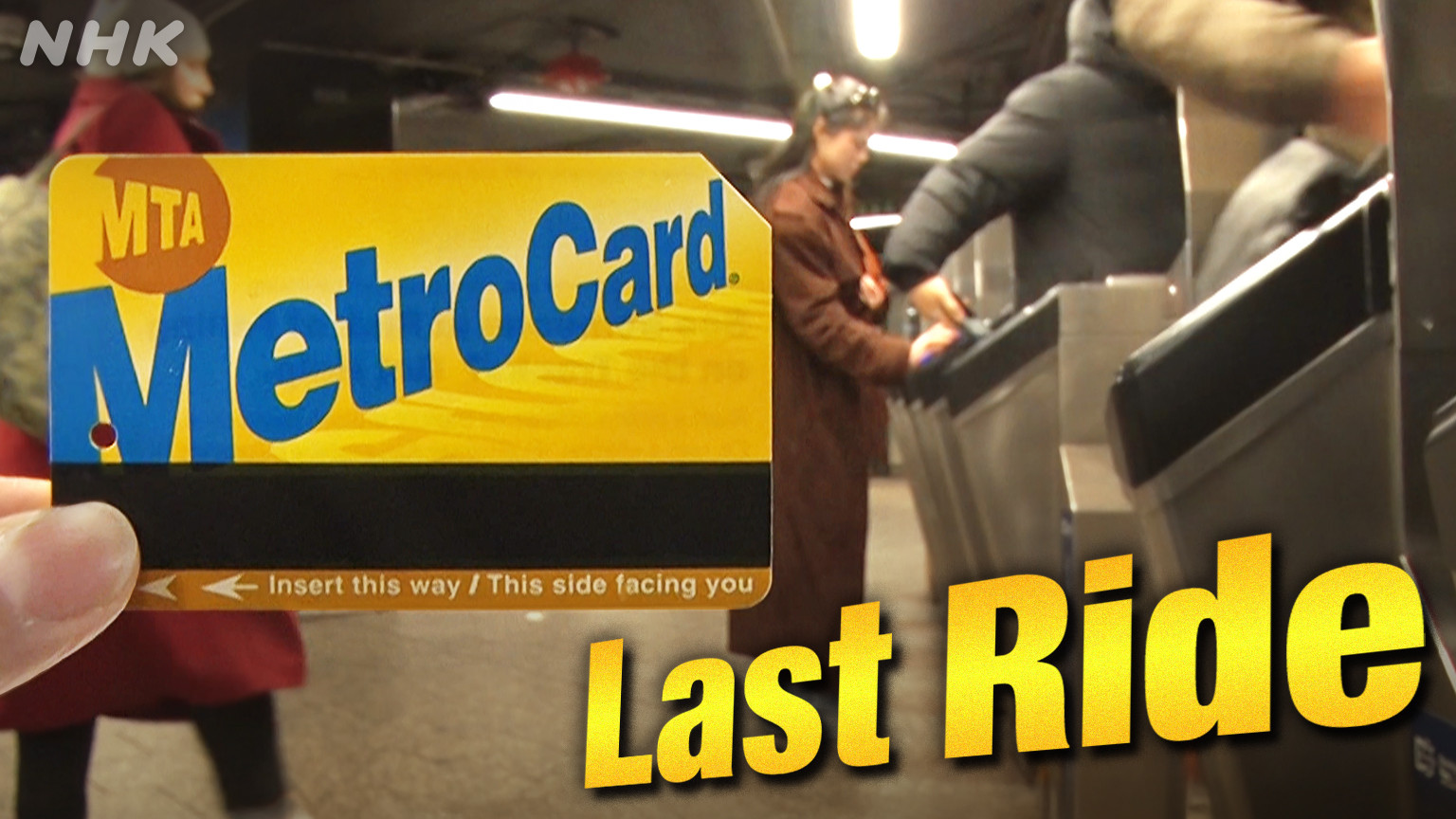
For more than three decades, the card could be found in almost every wallet or pocket, swiped daily by the millions who navigated the city’s subway. Few of them knew that a Japanese designer’s work quietly shaped the way generations of riders moved through the city.
A symbol of New York life
Since its introduction in 1994, the magnetic-stripe MetroCard has been the standard way to pay for subway and bus rides. As of December 2025, 3.2 billion cards have been encoded by the Metropolitan Transportation Authority, or the MTA. Although cards will remain usable through 2026, they are being replaced by the OMNY contactless payment system.
For many New Yorkers, the transition is bittersweet. The MetroCard has accompanied them for decades on their daily routines, school commutes, workdays, and city adventures. Some even called the card part of the cultural fabric of New York.
“Everyone wanted one,” recalled a New Yorker who remembers receiving MetroCards as a student. “It’s nostalgia for me. This card made my high school days way better.”
Another commuter said, “I’m old school, and it worked fine. I think it’s a true icon of our city.”The card’s popularity extended even beyond transit. Souvenir shops in stations like Grand Central sell MetroCard-themed goods, including mugs, tote bags and apparel. To commemorate the card’s retirement, they are offering new lines of merchandise such as a festive “ugly” sweater, home decor, ornaments and more. Ahead of the card’s looming phaseout, demand for these items has been surging.
Translate This Article