
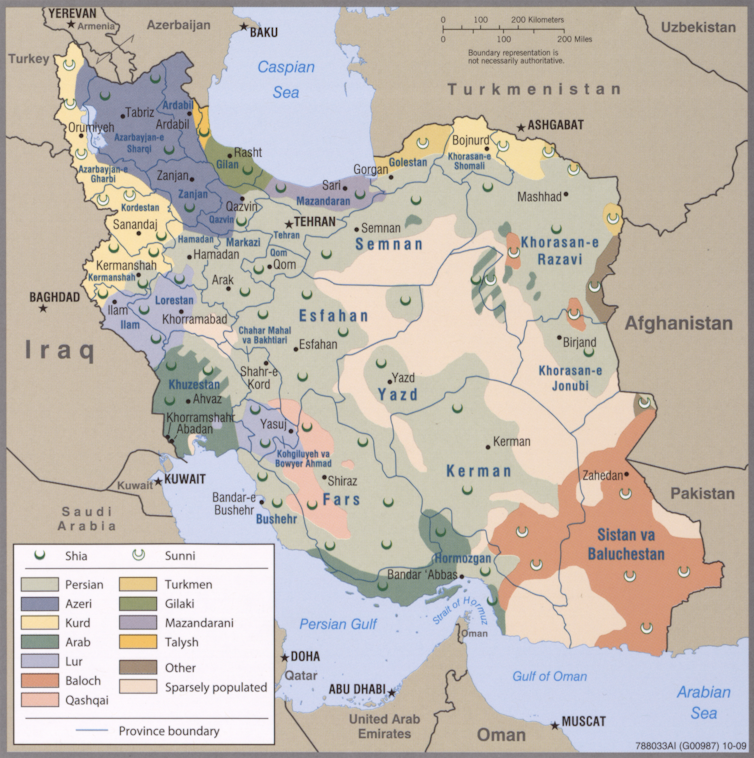
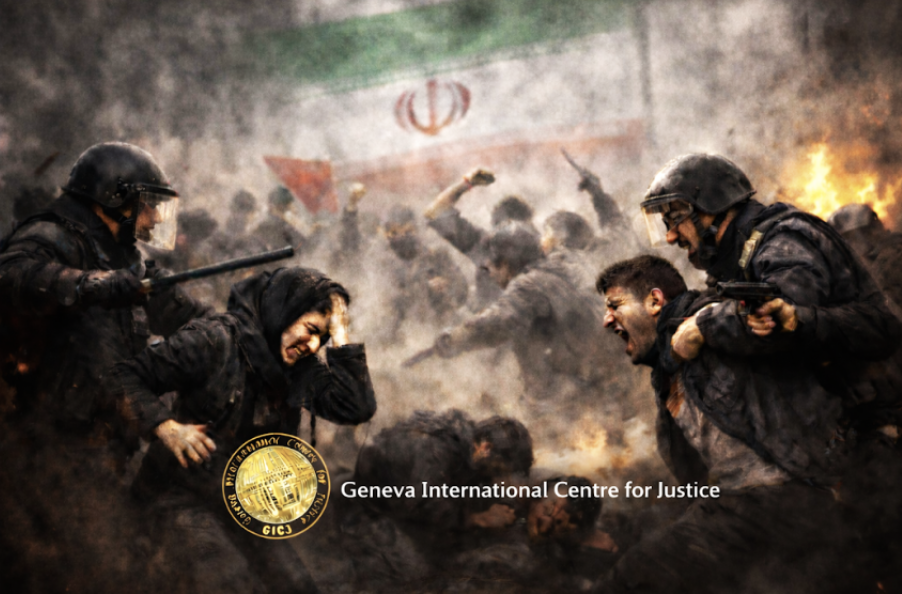
Protests across Iran have expanded rapidly, spreading from major metropolitan centers to smaller cities and provincial towns, creating one of the most sustained periods of unrest the country has witnessed in recent years. What initially began as public anger over economic hardship – soaring inflation, the collapse of the national currency, rising food prices, and unemployment – has evolved into a broader expression of political, social, and systemic frustration.
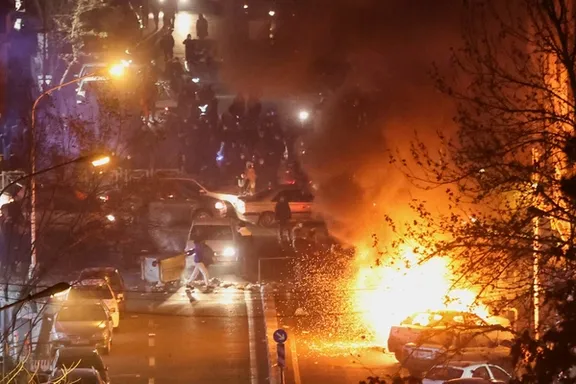
Demonstrations have been reported in numerous cities, accompanied by chants, strikes, and acts of civil disobedience. In several areas, protesters have set fire to symbols of state authority, blocked roads, and confronted security forces directly. Deaths have been reported, injuries and arrests have mounted, further appearing to fuel public anger rather than containing it.
These protests are no longer isolated events driven by short-term grievances. Instead, they reflect accumulated frustration built over years of economic decline, political exclusion, and social restrictions. For many Iranians, daily life has become a constant struggle for survival. Wages have failed to keep pace with inflation, savings have evaporated, and access to basic necessities has become increasingly uncertain. In this context, the streets have become the primary arena where citizens express grievances that have long gone unanswered.
At this critical moment, Iran stands at a crossroads. The central question is no longer whether protests will continue in the short term, but rather which direction the country will take – and that direction depends overwhelmingly on how the government responds.
A defining moment: Which path will the government choose?
The future trajectory of Iran’s unrest hinges on the choices made by the ruling establishment. In moments like these, governments typically face a limited set of options, each carrying profound consequences. Iran’s leadership must now decide whether to acknowledge the depth of public anger and respond with meaningful reforms – or revert to its long-standing reliance on force.
In theory, unrest of this scale could have been mitigated if the government had acted earlier. Had authorities genuinely listened to public complaints, addressed corruption, improved economic governance, and implemented reforms aimed at stabilizing the economy, some of the anger now erupting onto the streets might have been partially defused. Policies aimed at protecting purchasing power, improving employment opportunities, and reducing economic inequality could have eased public pressure.
But timing matters. When reforms come too late – or appear cosmetic rather than substantive – they often fail to restore public trust. In many cases, delayed concessions are interpreted not as goodwill but as signs of weakness or desperation. This is particularly true in Iran, where past experiences have conditioned both the state and society to expect confrontation rather than compromise.
The missed opportunity of reform
Economic grievances lie at the heart of the current unrest. Years of mismanagement, sanctions pressure, corruption, and structural inefficiencies have eroded living standards for ordinary citizens. A government genuinely committed to reform could have prioritized economic stabilization, reduced elite privileges, and redirected resources toward public welfare. Even modest improvements – if introduced early and credibly – might have bought time and reduced the intensity of protests.
However, reform in Iran has often been constrained by ideological rigidity and internal power struggles. Economic policy is deeply entangled with political and security interests, making structural change difficult. As a result, many Iranians believe that promises of reform are rarely followed by action. This skepticism has grown over time, especially after repeated cycles of protest followed by repression rather than reform.
Now, with protests already widespread and casualties reported, the window for de-escalation through reform appears to have been closed. For many protesters, economic demands have merged with political ones. What began as calls for relief has evolved into broader questions about accountability, governance, and the legitimacy of authority itself.
The default response
History offers a clear pattern of how the Iranian government has responded to mass protests. When faced with widespread dissent, authorities have repeatedly relied on overwhelming force rather than compromise. Security forces are deployed in large numbers, protests are declared illegal, internet access is restricted, and arrests are carried out on a mass scale. Over time, this strategy has succeeded in suppressing demonstrations – at least temporarily.
From the government’s perspective, force is viewed as a necessary tool to restore order and deter future unrest. Officials often argue that protests are manipulated by foreign actors or hostile powers, framing dissent as a national security threat rather than a domestic political issue. This framing serves two purposes: it justifies force and delegitimizes protesters in the eyes of loyalists.
In recent statements, senior leaders have once again portrayed protesters as instigators aligned with foreign enemies, accusing them of undermining national stability and serving external agendas. Such rhetoric is not new, and it often precedes intensified crackdowns. By labeling dissent as foreign-backed, the state avoids confronting the underlying grievances driving people into the streets.
Does force still work?
In the past, force has often succeeded in restoring surface-level calm. Large-scale protests were eventually crushed through arrests, intimidation, and fear. But each cycle of repression has come at a cost: Deeper resentment, greater distrust, and a population increasingly willing to challenge authority despite the risks.
This time, many believe the situation may be different. Economic hardship has reached levels that affect nearly every segment of society. Unlike earlier protests that were concentrated among specific groups, the current unrest draws support from workers, students, merchants, professionals, and even segments of the middle class that once remained politically cautious. When survival itself becomes uncertain, fear loses some of its power.
Moreover, force can be a double-edged sword. While it may disperse crowds in the short term, excessive violence often radicalizes public sentiment. Each death, each arrest, each act of brutality risks transforming anger into defiance. Rather than deterring participation, repression can expand the protest base by convincing more people that they have nothing left to lose.
A moment that will shape Iran’s future
Iran now stands at a pivotal juncture. The government’s response to the current unrest will have lasting consequences, not only for political stability but for the very nature of the state. Continued reliance on force may suppress protests temporarily, but it risks deepening the divide between rulers and society, making the unrest more intense and more dangerous.
What is clear is that the protests have already changed the political landscape. They reflect a society burdened by economic hardship, political exclusion, and social frustration. Based on how the government continues to respond, the outcome of this moment will likely determine the destiny of Iran for years to come.A defining moment: Which path will the government choose?
The future trajectory of Iran’s unrest hinges on the choices made by the ruling establishment. In moments like these, governments typically face a limited set of options, each carrying profound consequences. Iran’s leadership must now decide whether to acknowledge the depth of public anger and respond with meaningful reforms – or revert to its long-standing reliance on force.
In theory, unrest of this scale could have been mitigated if the government had acted earlier. Had authorities genuinely listened to public complaints, addressed corruption, improved economic governance, and implemented reforms aimed at stabilizing the economy, some of the anger now erupting onto the streets might have been partially defused. Policies aimed at protecting purchasing power, improving employment opportunities, and reducing economic inequality could have eased public pressure.
But timing matters. When reforms come too late – or appear cosmetic rather than substantive – they often fail to restore public trust. In many cases, delayed concessions are interpreted not as goodwill but as signs of weakness or desperation. This is particularly true in Iran, where past experiences have conditioned both the state and society to expect confrontation rather than compromise.Economic grievances lie at the heart of the current unrest. Years of mismanagement, sanctions pressure, corruption, and structural inefficiencies have eroded living standards for ordinary citizens. A government genuinely committed to reform could have prioritized economic stabilization, reduced elite privileges, and redirected resources toward public welfare. Even modest improvements – if introduced early and credibly – might have bought time and reduced the intensity of protests.
However, reform in Iran has often been constrained by ideological rigidity and internal power struggles. Economic policy is deeply entangled with political and security interests, making structural change difficult. As a result, many Iranians believe that promises of reform are rarely followed by action. This skepticism has grown over time, especially after repeated cycles of protest followed by repression rather than reform.
Now, with protests already widespread and casualties reported, the window for de-escalation through reform appears to have been closed. For many protesters, economic demands have merged with political ones. What began as calls for relief has evolved into broader questions about accountability, governance, and the legitimacy of authority itself.Economic grievances lie at the heart of the current unrest. Years of mismanagement, sanctions pressure, corruption, and structural inefficiencies have eroded living standards for ordinary citizens. A government genuinely committed to reform could have prioritized economic stabilization, reduced elite privileges, and redirected resources toward public welfare. Even modest improvements – if introduced early and credibly – might have bought time and reduced the intensity of protests.
However, reform in Iran has often been constrained by ideological rigidity and internal power struggles. Economic policy is deeply entangled with political and security interests, making structural change difficult. As a result, many Iranians believe that promises of reform are rarely followed by action. This skepticism has grown over time, especially after repeated cycles of protest followed by repression rather than reform.
Now, with protests already widespread and casualties reported, the window for de-escalation through reform appears to have been closed. For many protesters, economic demands have merged with political ones. What began as calls for relief has evolved into broader questions about accountability, governance, and the legitimacy of authority itself.
The default response
History offers a clear pattern of how the Iranian government has responded to mass protests. When faced with widespread dissent, authorities have repeatedly relied on overwhelming force rather than compromise. Security forces are deployed in large numbers, protests are declared illegal, internet access is restricted, and arrests are carried out on a mass scale. Over time, this strategy has succeeded in suppressing demonstrations – at least temporarily.
From the government’s perspective, force is viewed as a necessary tool to restore order and deter future unrest. Officials often argue that protests are manipulated by foreign actors or hostile powers, framing dissent as a national security threat rather than a domestic political issue. This framing serves two purposes: it justifies force and delegitimizes protesters in the eyes of loyalists.
In recent statements, senior leaders have once again portrayed protesters as instigators aligned with foreign enemies, accusing them of undermining national stability and serving external agendas. Such rhetoric is not new, and it often precedes intensified crackdowns. By labeling dissent as foreign-backed, the state avoids confronting the underlying grievances driving people into the streets.
Does force still work?
In the past, force has often succeeded in restoring surface-level calm. Large-scale protests were eventually crushed through arrests, intimidation, and fear. But each cycle of repression has come at a cost: Deeper resentment, greater distrust, and a population increasingly willing to challenge authority despite the risks.
This time, many believe the situation may be different. Economic hardship has reached levels that affect nearly every segment of society. Unlike earlier protests that were concentrated among specific groups, the current unrest draws support from workers, students, merchants, professionals, and even segments of the middle class that once remained politically cautious. When survival itself becomes uncertain, fear loses some of its power.
Moreover, force can be a double-edged sword. While it may disperse crowds in the short term, excessive violence often radicalizes public sentiment. Each death, each arrest, each act of brutality risks transforming anger into defiance. Rather than deterring participation, repression can expand the protest base by convincing more people that they have nothing left to lose.
A moment that will shape Iran’s future
Iran now stands at a pivotal juncture. The government’s response to the current unrest will have lasting consequences, not only for political stability but for the very nature of the state. Continued reliance on force may suppress protests temporarily, but it risks deepening the divide between rulers and society, making the unrest more intense and more dangerous.
What is clear is that the protests have already changed the political landscape. They reflect a society burdened by economic hardship, political exclusion, and social frustration. Based on how the government continues to respond, the outcome of this moment will likely determine the destiny of Iran for years to come.
Translate This Article