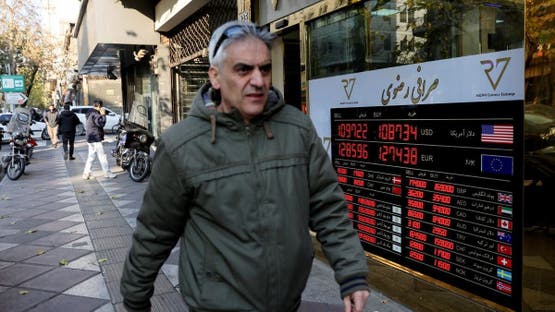
Iran’s central bank chief, Mohammad Reza Farzin, has resigned, the semi-official Nournews agency reported on Monday, citing an official at the president’s office, as the country battles a slump in its rial currency and high inflation.
The rial, which has been falling as the Iranian economy has suffered from the impact of Western sanctions, fell to a new record low on Monday at around 1,390,000 to the dollar, according to websites displaying open market rates.
Iranian media outlets reported there had been demonstrations in the capital Tehran, mainly by shop owners, against the economic situation.
Farzin has headed the central bank since December 2022. His resignation will be reviewed by President Masoud Pezeshkian, the official added, according to Nournews.
Iranian state media reported later on Monday, citing the communications and information deputy at the Iranian president’s office, that former cconomy minister Abdolnaser Hemmati will be appointed as the new central bank chief.
Iranian media have said the government’s recent economic liberalization policies have put pressure on the open-rate currency market.
The open-rate market is where ordinary Iranians buy foreign currency, whereas businesses typically use state-regulated rates.
The reimposition of US sanctions in 2018 during President Donald Trump’s first term has harmed Iran’s economy by limiting its oil exports and access to foreign currency.
The Iranian economy is at risk of recession, with the World Bank forecasting GDP will shrink by 1.7 percent in 2025 and 2.8 percent in 2026. The risk is compounded by rising inflation, which hit a 40-month high of 48.6 percent in October, according to Iran’s Statistical Centre.
Translate This Article