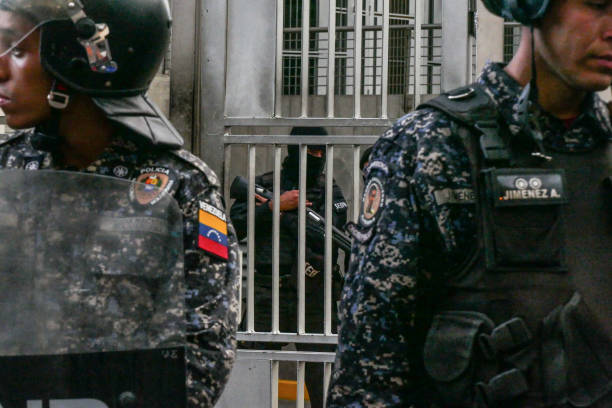
Venezuelan organizations condemn the continued uncertainty faced by the more than 900 people who were excluded from the 99 Christmas releases..
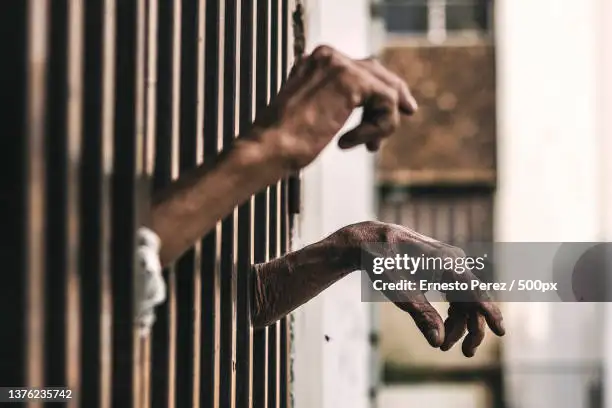
The Venezuelan government’s Christmas Eve announcement that 99 political prisoners would be released is still pending. In order to confirm whether the prisoners have actually been released from custody, families and lawyers are progressively compiling lists of names.
Maduro’s other political prisoners
Venezuelan organizations condemn the continued uncertainty faced by the 900-plus people not included in the 99 Christmas releases
Activistas y familiares de presos políticos en una manifestación, en Caracas, Venezuela, el lunes 14 de abril.
Activists and relatives of political prisoners at a demonstration in Caracas, Venezuela, on Monday, April
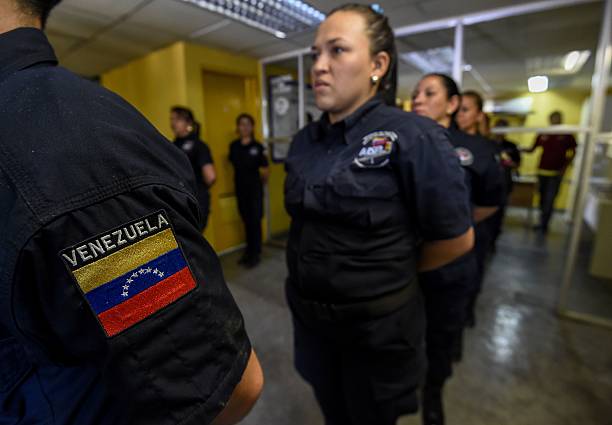
The Venezuelan government’s announcement on Christmas Eve that it would release 99 political prisoners has not yet been fully finalized. Little by little, families and lawyers are compiling lists of names and confirming whether the prisoners have actually been able to leave jail.
The Venezuelan government frequently uses the release of political prisoners as a means of negotiating agreements with the United States or easing internal pressures. However, who is not being released makes this move noteworthy. In 90 prisons throughout Venezuela, over 900 people—174 of whom are military personnel—remain incarcerated for political reasons..
Opposition members, human rights advocates, and a minor: Human rights advocates, opposition leaders, multiple cancer patients, and a minor are among them. According to the Venezuelan human rights organization Foro Penal, more than 9,000 individuals have been subject to judicial restrictions since 2014..
Prisoners found guilty of protesting following the 2024 presidential elections are primarily impacted by Nicolás Maduro’s announcement. It also includes those who were imprisoned for criticizing the government via social media, like Dr. Marggie Orozco, who received a 30-year prison sentence for sending an audio message on WhatsApp.
While there is solidarity and genuine shared joy for each release, the selectivity of these decisions is re-victimizing, according to the NGO Justicia, Encuentro y Perdón (Justice, Reconciliation, and Forgiveness), which supports the families of prisoners. “As if regaining freedom depended on chance rather than the recognition of a fundamental right,” the prisoners and their families are forced to wait indefinitely without any assurances or precise rules.
Human rights activists, opposition members, and a minor: Maduro’s other political prisoners
Venezuelan organizations condemn the continued uncertainty faced by the 900-plus people not included in the 99 Christmas releases
Activistas y familiares de presos políticos en una manifestación, en Caracas, Venezuela, el lunes 14 de abril.
Activists and relatives of political prisoners at a demonstration in Caracas, Venezuela, on Monday, April 14.
The Venezuelan government’s announcement on Christmas Eve that it would release 99 political prisoners has not yet been fully finalized. Little by little, families and lawyers are compiling lists of names and confirming whether the prisoners have actually been able to leave jail.
Releasing political prisoners is a tactic the Venezuelan government often uses to ease internal pressures or to negotiate agreements with the United States. But this time, the move is noteworthy for who is not being released. More than 900 people (174 of them military personnel) are still imprisoned for political reasons in 90 prisons across Venezuela. Among them are human rights defenders, opposition figures, several cancer patients, and a minor. Since 2014, over 9,000 people remain subject to judicial restrictions, according to Venezuelan human rights organization Foro Penal.
The announcement by the administration of Nicolás Maduro largely applies to prisoners convicted of protesting after the 2024 presidential elections. It also includes people who were jailed for criticizing the government on social media, such as Dr. Marggie Orozco, sentenced to 30 years in prison for sending a WhatsApp audio message. The NGO Justicia, Encuentro y Perdón (Justice, Reconciliation, and Forgiveness), which assists the families of prisoners, noted that “while there is solidarity and genuine shared joy for each release, the selectivity of these decisions is re-victimizing.” Those who remain imprisoned, and their families, are subjected to an indefinite wait, with no clear criteria or guarantees, “as if regaining freedom depended on chance rather than the recognition of a fundamental right.”
Families of political prisoners had hoped for releases in the context of the canonizations of José Gregorio Hernández and Carmen Rendiles, the first Venezuelan saints. They launched an intense campaign for the Church to advocate on their behalf. No releases were secured in October, when the ceremony took place at the Vatican. That month, in contrast, saw more than 50 new arrests. Months earlier, however, through a political negotiation announced by opposition leader Henrique Capriles Radonski, 13 political prisoners were released, including deputy Américo de Grazia and former Maracaibo mayor Rafael Ramírez, along with one of his associates, Pablo Guanipa.
Human rights advocates claim that 91 of the roughly 1,000 political prisoners suffer from “serious illnesses” and “progressive physical deterioration” due to what they call a “form of structural violence,” which includes unclean prison conditions and a shortage of food and medicine (Justicia, Encuentro y Perdón). “At least eight patients with advanced cancer” are included. But these prisoners weren’t always part of the Christmas releases..
Given the capricious way in which conditional release measures are granted, Amnesty International once again demanded the full freedom of five human rights defenders: Javier Tarazona, Rocón San Miguel, Carlos Julio Rojas, Eduardo Torres, and Kennedy Tejeda..
One of the activists with the longest prison sentence is Tarazona. He documented the existence of irregular armed groups along Venezuela’s border with Colombia through his non-governmental organization, Fundaredes, and the purported connections between senior government officials and the ELN guerrilla and FARC dissidents. On July 2, 2021, the day he was detained while informing the Attorney General’s Office about the intimidation and persecution he was experiencing from Venezuelan intelligence agents, his social media accounts were blocked. His legal proceedings have stalled, and he is still incarcerated in El Helicoide four and a half years later..
Translate This Article