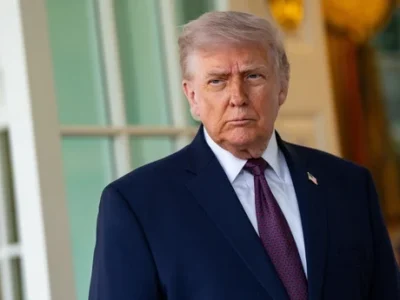
As fighting between Thailand and Cambodia intensifies. The two neighbours are clashing at multiple points along their 817-kilometre border in what both sides describe as the most severe violence in decades. Despite international mediation efforts, including earlier intervention by U.S. President Donald Trump, the conflict has expanded geographically and in intensity. A planned special meeting of Southeast Asian foreign ministers has been postponed, further dimming prospects for immediate diplomac
Thailand is considering further security measures, including limiting Thai vessels in high-risk Cambodian waters, while fighting continues at multiple border locations involving drones, artillery and airstrikes. Diplomatic engagement has been delayed but not abandoned, with ASEAN foreign ministers expected to revisit the issue later in December. Much will depend on whether either side signals readiness for a ceasefire, as continued escalation raises the risk of a prolonged regional crisis. The decision to cut fuel transit highlights how the conflict is beginning to disrupt regional trade and energy supply chains, potentially affecting third countries such as Laos. With more than half a million people displaced and dozens killed in just over a week, the fighting poses a serious humanitarian and security challenge for Southeast Asia. The escalation also risks drawing in neighbouring states indirectly, undermining ASEAN’s credibility as a conflict-mitigation bloc.
Translate This Article