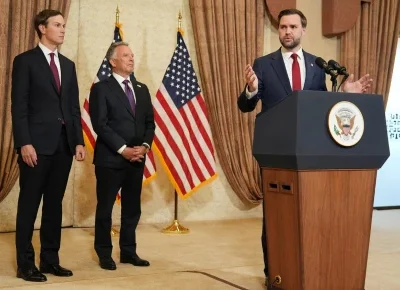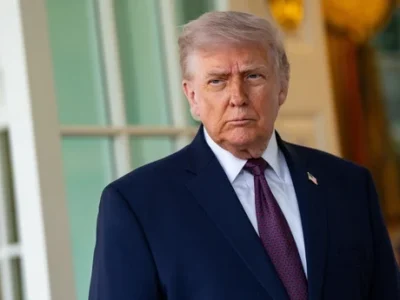
As fighting between Thailand and Cambodia intensifies. The two neighbours are clashing at multiple points along their 817-kilometre border in what both sides describe as the most severe violence in decades. Despite international mediation efforts, including earlier intervention by U.S. President Donald Trump, the conflict has expanded geographically and in intensity. A planned special meeting of Southeast Asian foreign ministers has been postponed, further dimming prospects for immediate diplomacy
Why It Matters
The decision to cut fuel transit highlights how the conflict is beginning to disrupt regional trade and energy supply chains, potentially affecting third countries such as Laos. With more than half a million people displaced and dozens killed in just over a week, the fighting poses a serious humanitarian and security challenge for Southeast Asia. The escalation also risks drawing in neighbouring states indirectly, undermining ASEAN’s credibility as a conflict-mitigation bloc.
Thailand and Cambodia are the principal parties to the conflict, with their militaries engaged across land and coastal areas. Laos is indirectly affected through disrupted fuel transit, while Malaysia, as ASEAN chair, is involved in diplomatic efforts. External actors, including the United States, have attempted mediation. Energy suppliers such as Singapore and regional shipping and trade networks are also exposed to prolonged instability.
What’s Next
Thailand is considering further security measures, including limiting Thai vessels in high-risk Cambodian waters, while fighting continues at multiple border locations involving drones, artillery and airstrikes. Diplomatic engagement has been delayed but not abandoned, with ASEAN foreign ministers expected to revisit the issue later in December. Much will depend on whether either side signals readiness for a ceasefire, as continued escalation raises the risk of a prolonged regional crisis.
Previous article
Bondi Beach Attack Rekindles Australia’s Gun Control Debate
Next article
From Probability to Possibility: The Algorithm of Aspire in a Fragmenting Global Order
I’m a political analyst and researcher focusing on global security, foreign policy, and power politics, driven by a passion for evidence-based analysis. My work explores how strategic and technological shifts shape the international order.
RELATED ARTICLES
Putin Criticizes Russia’s Birth Rates
Kester Kenn Klomegah – December 14, 2025
Shooting at Brown University leaves 2 dead, 9 injured; suspect at large
Newsroom – December 14, 2025
Shooting at Sydney’s Bondi Beach Leaves 10 Dead, Multiple Injured
Newsroom – December 14, 2025
Latest Articles
From Probability to Possibility: The Algorithm of Aspire in a Fragmenting Global Order
December 15, 2025
Bondi Beach Attack Rekindles Australia’s Gun Control Debate
December 15, 2025
United States Congress Pushing for AGOA Extension
December 15, 2025
From Sinai to Seoul: What the Six-Day War Teaches About a Future North Korean Blitzkrieg
December 15, 2025
Ghosts of the Past: How the Century of Humiliation Shapes Xi Jinping’s China
December 15, 2025
About us
MD does not stand behind any specific agenda, narrative, or school of thought. We aim to expose all ideas, thinkers, and arguments to the light and see what remains valid and sound.
Company
The latest
From Probability to Possibility: The Algorithm of Aspire in a Fragmenting Global Order
Science & Technology December 15, 2025
Bondi Beach Attack Rekindles Australia’s Gun Control Debate
Reports December 15, 2025
United States Congress Pushing for AGOA Extension
Middle East & Africa December 15, 2025
© 2023 moderndiplomacy.eu. All Rights Reserved.

Testo originale
Valuta questa traduzione
Il tuo feedback verrà utilizzato per contribuire a migliorare Google Traduttore
Translate This Article