The text of the proposal was handed to Islamabad yesterday evening, the IRNA news agency reported.
The war, launched by the United States and Israel with a vast wave of surprise strikes on 28 February has been on hold since 8 April, but only one failed round of direct talks has taken place between Iranian and US representatives.
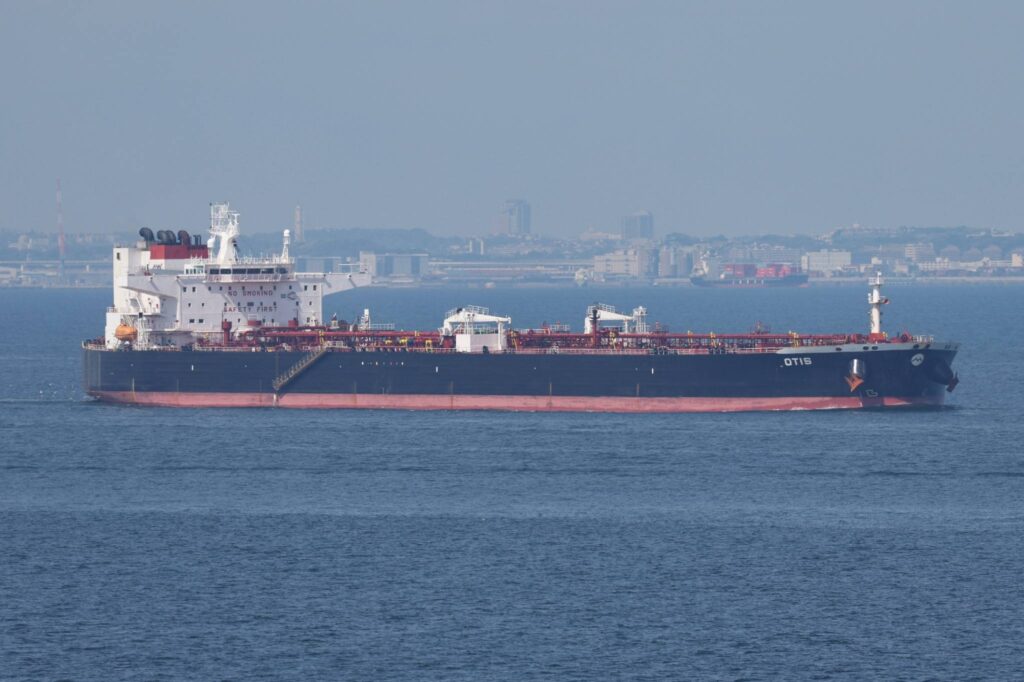
In the meantime, Iran has maintained its stranglehold on the Strait of Hormuz, cutting off vast amounts of oil, gas and fertiliser from the world economy, while the US has imposed a counterblockade on Iranian ports.
The Wall Street Journal reported that US President Donald Trump had told security officials to prepare for the blockade to last months, causing oil prices to spike.
Despite the failure to negotiate an end to the war, the ceasefire has held.
Today, judiciary chief Gholamhossein Mohseni Ejei, a senior figure and well-respected cleric, said “the Islamic Republic has never shied away from negotiations”.
But in yet another sign that finding a compromise may prove difficult, Mr Ejei said “we certainly do not accept imposition”, in a video shared by the judiciary’s Mizan Online website.
Tehran, though, does not want a return to war he said.
“We do not welcome war in any way; we do not want war, we do not want its continuation,” he added.
The lack of fighting has not assuaged markets, with oil prices still more than 50% above their prewar levels as traders confront a prolonged closure of Hormuz, while the European Central Bank held interest rates amid fears of soaring inflation.
The White House, meanwhile, was gripped by a legalistic debate over whether President Trump had passed a deadline for requesting congressional approval for his war with Iran.
Administration officials, including defence secretary Pete Hegseth, insisted that the ceasefire meant that the clock was paused on a 60-day deadline requiring the president to seek war powers authorisation from Congress.
“For War Powers Resolution purposes, the hostilities that began on Saturday 28 February have terminated,” a senior administration official told AFP last night.
President Trump is under increasing domestic pressure over the war, with no clear victory in sight, inflation spiking due to the conflict and midterm elections due in November.
Yesterday, US government data showed slower than expected growth and inflation hit 3.5%.
In Iran, meanwhile, the economic consequences of the war, which come on top of years of fierce international sanctions, were beginning to bite.
Yesterday, the US military said its blockade had stopped Iran from exporting $6bn worth of oil, while inflation, already above 45% before the war, reached 53.7% in recent weeks, according to the national statistics centre.
“For many people, paying rent and even buying food has become difficult, and some have nothing left at all,” 28-year-old Mahyar told an AFP reporter based outside Iran, saying the company he worked for had laid off 34 people – nearly 40% of its staff.
Hormuz missions
President Trump has repeatedly lashed out at Washington’s international allies for failing to join efforts to reopen the Strait of Hormuz.
France and Britain have led efforts to bring together an international coalition of dozens of countries that would help reopen the strait, but only once peace is secured.
But yesterday, a US official confirmed to AFP that Washington was launching its own international coalition to restart shipping, dubbed “the Maritime Freedom Construct”.
That prompted French Foreign Minister Jean-Noel Barrot to insist that the two missions would complement and not compete with each other.
The US mission is “not of the same nature as the one we established… it comes as a sort of complement”, Barrot said on a visit to the Gulf.
Translate This Article