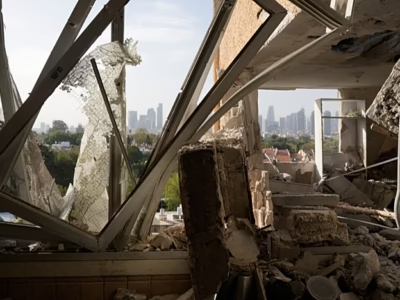
Brent crude traded around $112 per barrel as strikes between Iran and Israel on critical energy facilities — which also caused extensive damage to the world’s largest liquefied natural gas export plant in Qatar — raised concerns of a more lasting impact from the conflict.
Oil’s surge already has global central bankers fretting about price pressures. The Bank of Japan kept interest rates unchanged on Thursday, following a hold by the Federal Reserve on Wednesday, with both signaling the Middle East conflict had clouded the policy outlook.
The gauge of Asian stocks headed for its worst day since March 9. It is down over 8% this month, trailing peers in the US and Europe.
“Asia is more vulnerable than other regions to the ongoing interruption in oil, LNG and other input products,” Morgan Stanley strategists including Jonathan Garner and Kristal Ji wrote in a note, recommending investors to sell this week’s rally in the region’s stocks.
Iran attacked the LNG site in Qatar, one of several energy assets it pledged to target following strikes on the Islamic Republic’s giant South Pars gas field. President Donald Trump said the US wasn’t involved in the attack, and added that Israel would refrain from further strikes on the field. However, he added that any additional attacks by Iran on Qatar’s LNG facilities would prompt the US to “massively blow up the entirety” of the South Pars field.
(Bloomberg) — Asian equities dropped as attacks on key energy infrastructure in the Middle East drove oil prices higher, fueling investor concern that an escalating war will add to inflation pressures.
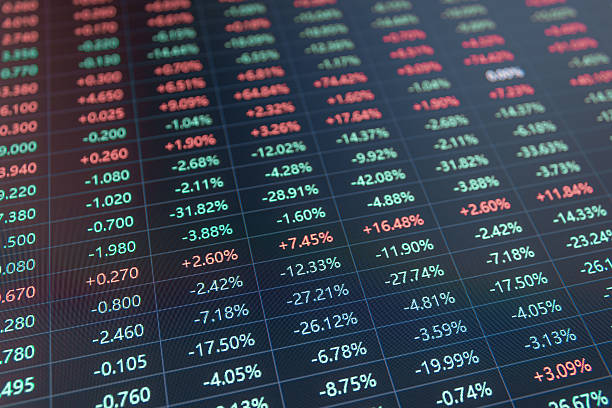
The MSCI Asia Pacific Index was down 2.6%, snapping a three-day advance, as investors trimmed risk. Japan’s Nikkei 225 lost more than 3%, with traders also on alert for the yen’s potential breach of 160 against the dollar. US equity futures were little changed after the S&P 500 and Nasdaq 100 both fell 1.4% on Wednesday.
Brent crude traded around $112 per barrel as strikes between Iran and Israel on critical energy facilities — which also caused extensive damage to the world’s largest liquefied natural gas export plant in Qatar — raised concerns of a more lasting impact from the conflict.
Oil’s surge already has global central bankers fretting about price pressures. The Bank of Japan kept interest rates unchanged on Thursday, following a hold by the Federal Reserve on Wednesday, with both signaling the Middle East conflict had clouded the policy outlook.
The gauge of Asian stocks headed for its worst day since March 9. It is down over 8% this month, trailing peers in the US and Europe.
“Asia is more vulnerable than other regions to the ongoing interruption in oil, LNG and other input products,” Morgan Stanley strategists including Jonathan Garner and Kristal Ji wrote in a note, recommending investors to sell this week’s rally in the region’s stocks.
Iran attacked the LNG site in Qatar, one of several energy assets it pledged to target following strikes on the Islamic Republic’s giant South Pars gas field. President Donald Trump said the US wasn’t involved in the attack, and added that Israel would refrain from further strikes on the field. However, he added that any additional attacks by Iran on Qatar’s LNG facilities would prompt the US to “massively blow up the entirety” of the South Pars field.
Translate This Article