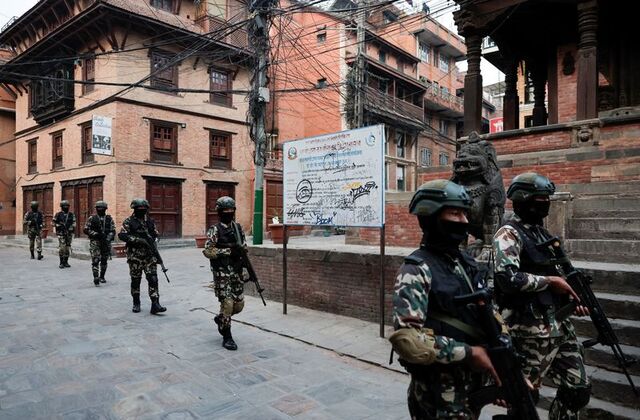
Nepalis are voting in a consequential election that will chart the country’s path after last year’s youth-led anti-corruption protests toppled the government
The same issues that sparked last September’s protests are at the centre of today’s vote – corruption, unemployment, economic stagnation and inequality
The vote for parliament’s 275 seats pits “old guard” parties against challengers advocating for angry, disillusioned young voters hungry for change
Leading candidates include KP Oli, the prime minister toppled in the protests, and Balen Shah, the ex-rapper mayor taking him on in his constituency
Nearly 19 million people, including almost a million first-time voters, are registered to take part in the ballot for the House of Representatives
Nepal’s mountainous terrain makes it slow and difficult to transport ballots, which are counted by hand – full results are not expected for days
For decades, the small Himalayan nation ensconced between China and India has been riven by political instability, with 32 changes in government since 1990, leaving its largely agrarian economy hamstrung and forcing millions to seek work abroad.
Nearly 19 million of Nepal’s 30 million people are eligible to vote to pick a 275-member legislature, of which 165 candidates are directly elected and 110 selected via proportional representation.
About one million of these voters – most of them youth – were added after last year’s protests, which has amplified calls for overhauling Nepal’s political system and reforming the economy to create formal jobs with better wages.
Bibas Pariyar, a 22-year-old painter employed in Kathmandu, said he plans to return to his home district of Gorkha – famed for soldiers who have served in the British and Indian militaries – on Thursday to vote.
“We need new people who can give work to people, reform agriculture and pay adequate remuneration for workers,” Pariyar said.
“The old politicians only amassed money for themselves through corruption and did nothing for the people.”
OLD GUARD VS NEW FRONTRUNNER
In the race are the old guard, including the centrist Nepali Congress (NC) and the Communist Party of Nepal (Unified Marxist-Leninist or UML), which have dominated national politics for decades.
But most analysts say the centrist Rastriya Swatantra Party (RSP) is at the forefront. Rapper-turned-politician Balendra Shah, 35, joined the three-year-old party in January as its prime ministerial candidate.
Translate This Article