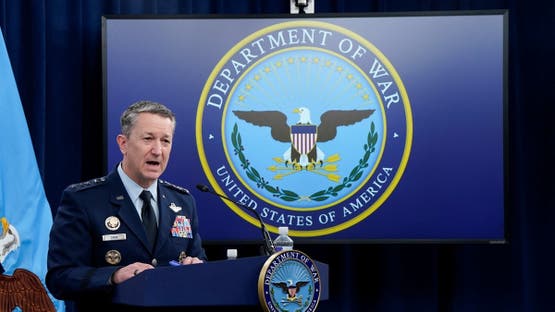
The United States will deploy additional troops and military assets to the Middle East as operations against Iran continue, Chairman of the Joint Chiefs of Staff Gen. Dan Caine said Monday.
Speaking at the Pentagon alongside Defense Secretary Pete Hegseth, Caine made clear the campaign, dubbed Operation Epic Fury, is far from over.
For all the latest headlines, follow our Google News channel online or via the app.
“This is not a single overnight operation. The military objectives that [US Central Command] CENTCOM and the joint force have been tasked with will take some time to achieve, and, in some cases, will be difficult and gritty work,” Caine said.
He acknowledged that four US troops have been killed so far and warned that further casualties are likely.
“We expect to take additional losses, and as always, we will work to minimize US losses. But as the Secretary [of Defense Pete Hegseth] said, this is major combat operations,” Caine added.
Caine confirmed that additional forces were already en route to the region.
“In fact, Admiral Cooper will receive additional forces even today,” he said, referring to CENTCOM commander Adm. Brad Cooper.
He described the rapid buildup as proof of the US military’s ability to adapt and project power “at the time and place of our nation’s choosing.”
Lead-up to the strikes
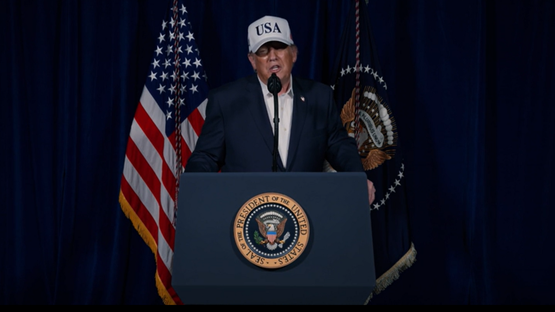
According to Caine, President Donald Trump issued the order to proceed just before 4 p.m. EST on Friday.
Air defense units immediately prepared for potential Iranian retaliation, running system checks and rehearsing response scenarios. Pilots finalized strike packages while crews loaded munitions. Two carrier strike groups moved into launch position.
The first elements to act were US Cyber Command and US Space Command, which Caine said layered “non-kinetic effects, disrupting and degrading and blinding Iran’s ability to see, communicate and respond.”
Describing the opening moments of the assault, Caine said, “As dawn crept up across the Central Command [area of operation] AOR, the skies surged to life.”
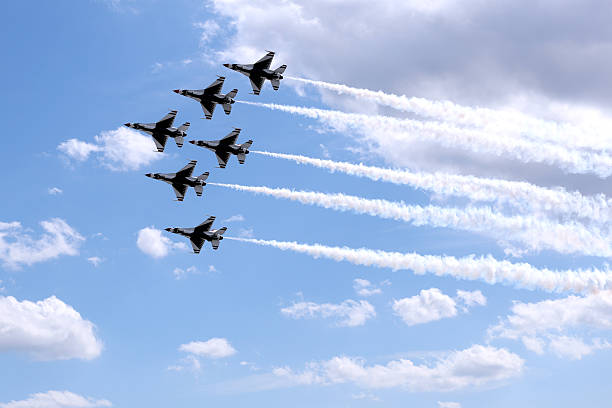
More than 100 US aircraft launched from land and sea, including fighter jets, refueling tankers, early warning aircraft, electronic warfare platforms, bombers from the United States, and unmanned systems. The coordinated daytime strike followed what Caine described as a “trigger event” by the Israeli military, “enabled by the US intelligence community.”
US officials provided intelligence to Israel on the location of Iran’s supreme leader and a high-level meeting in Tehran that morning. Israel subsequently carried out the strike that killed Ali Khamenei
Translate This Article