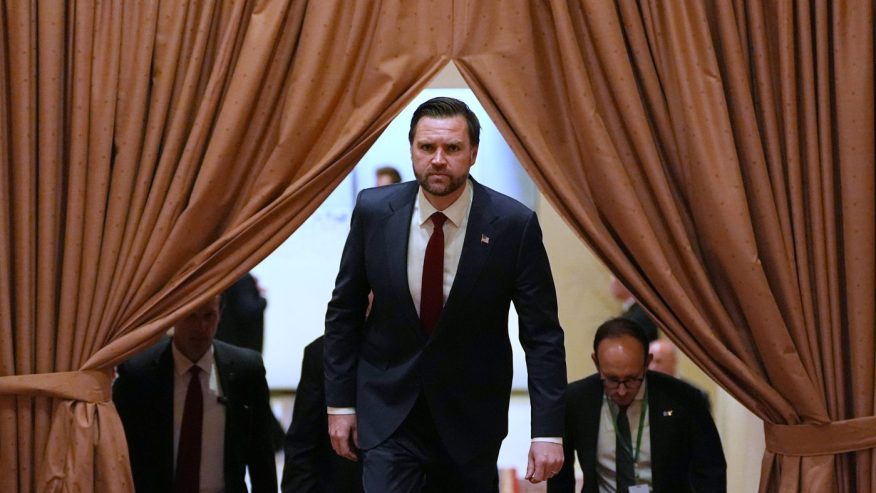
We just could not get to a situation where the Iranians were willing to accept our terms. I think that we were quite flexible. We were quite accommodating. The President told us, You need to come here in good faith and make your best effort to get a deal. We did that, and unfortunately, we weren’t able to make any headway,” he said
The delegation was in contact with President Trump, Secretary of Defense Pete Hegseth, Secretary of State Marco Rubio and others in the administration about the negotiations, Vance said. Trump and Rubio were attending a UFC fight in Miami as Vance was addressing reporters.
Vance, along with special envoy Steve Wikoff and Trump’s son-in-law Jared Kushner, met with the Iranian delegation days after the U.S. and Iran agreed on Tuesday to a short-term ceasefire following more than a month of conflict.
The deal got off to a shaky start, with Iran refusing to reopen the Strait of Hormuz until Israel halts strikes on Lebanon, which it claims was one of the conditions of the truce. Trump and Vance have said Lebanon is a separate issue, but have leaned on Israeli Prime Minister Benjamin Netanyahu to scale back strikes on the country.
Pakistani Prime Minister Shehbaz Sharif, who has brokered the talks, has said Lebanon is covered by the ceasefire.
Earlier on Saturday evening EDT, Iranian Foreign Ministry spokesperson Esmaeil Baqaei posted on the social platform X that the negotiations were “intensive.” He said the talks focused on the Strait of Hormuz, Iran’s nuclear program, lifting sanctions “and the complete end to the war against Iran and in the region.”
“The success of this diplomatic process depends on the seriousness and good faith of the opposing side, refraining from excessive demands and unlawful requests, and the acceptance of Iran’s legitimate rights and interests,” he wrote.
Translate This Article